
-
20070763
AC Hose by the Foot #12 Standard Barrier Hose 20070763
Regular price $5.37 USDRegular price$5.92 USDSale price $5.37 USDSale -
20070762
AC Hose by the Foot #10 Standard Barrier Hose 20070762
Regular price $3.18 USDRegular price$3.60 USDSale price $3.18 USDSale -
20070761
AC Hose by the Foot #8 Standard Barrier Hose 20070761
Regular price $2.92 USDRegular price$3.30 USDSale price $2.92 USDSale -
20070760
AC Hose #6 Standard Barrier Hose 20070760
Regular price $2.30 USDRegular price$2.60 USDSale price $2.30 USDSale -
20670105
AC Hose by the Foot #14 Reduced Barrier Hose, 20670105
Regular price $5.69 USDRegular price$6.19 USDSale price $5.69 USDSale -
20273902
AC Hose by the Foot #12 Reduced Barrier Hose 20273902
Regular price $4.85 USDRegular price$5.56 USDSale price $4.85 USDSale -
20273901
AC Hose by the Foot #10 AC Reduced Barrier Hose 20273901
Regular price $3.09 USDRegular price$3.50 USDSale price $3.09 USDSale -
20273900
AC Hose by the Foot #8 Reduced Barrier Hose 20273900
Regular price $2.99 USDRegular price$3.36 USDSale price $2.99 USDSale -
20272609
AC Hose by the Foot #6 Reduced Barrier Hose, Galaxy 20272609
Regular price $2.91 USDRegular price$3.49 USDSale price $2.91 USDSale -
XBHK012-50
AC Hose 50ft. #12 Standard | buy 50ft roll
Regular price $183.25 USDRegular price$217.50 USDSale price $183.25 USDSale -
XBHK010-50
AC Hose 50ft. #10 Standard | buy 50ft roll
Regular price $151.05 USDRegular price$180.00 USDSale price $151.05 USDSale -
XBHK008-50
AC Hose 50ft. #8 Standard | buy 50ft roll
Regular price $138.70 USDRegular price$165.00 USDSale price $138.70 USDSale -
XBHK006-50
AC Hose 50ft. #6 Standard | buy 50ft roll
Regular price $109.25 USDRegular price$130.00 USDSale price $109.25 USDSale -
SPOOL-6S
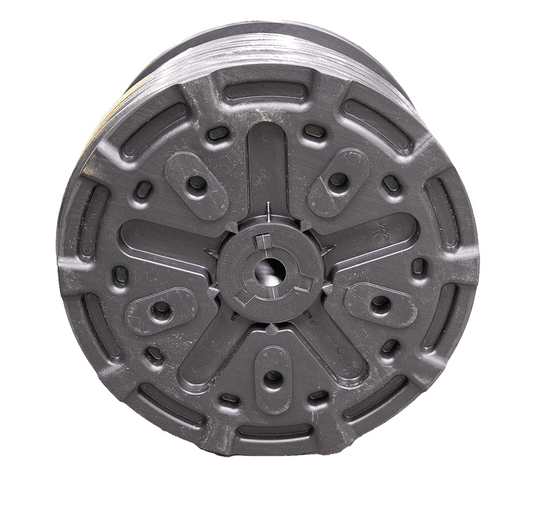
AC Hose | Automotive Standard Barrier, All Sizes
Regular price From $1,450.00 USDRegular price$1,897.50 USDSale price From $1,450.00 USDSale -
SPOOL-6R
AC Hose | Automotive Reduced Barrier, All sizes
Regular price From $1,310.00 USDRegular price$1,854.00 USDSale price From $1,310.00 USDSale -
ACF-6R
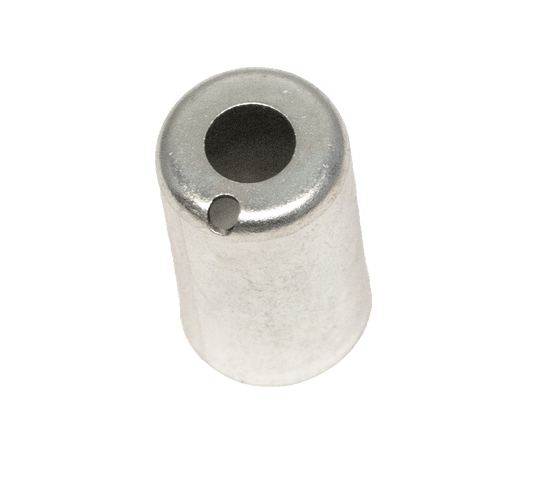
AC Hose Crimp Ferrule - #6 Standard Or Reduced Barrier, Zinc Coated Steel
Regular price From $2.00 USDRegular price
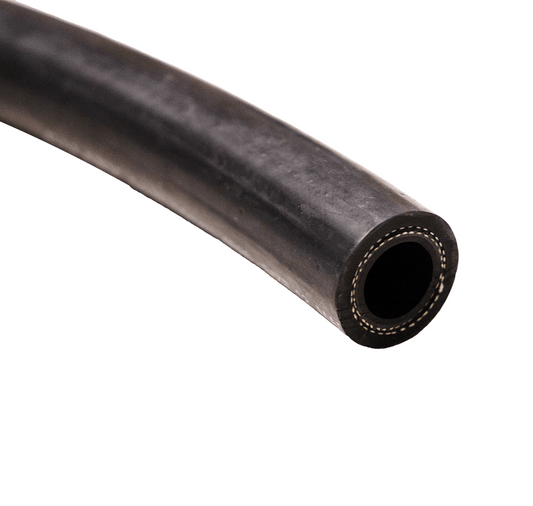
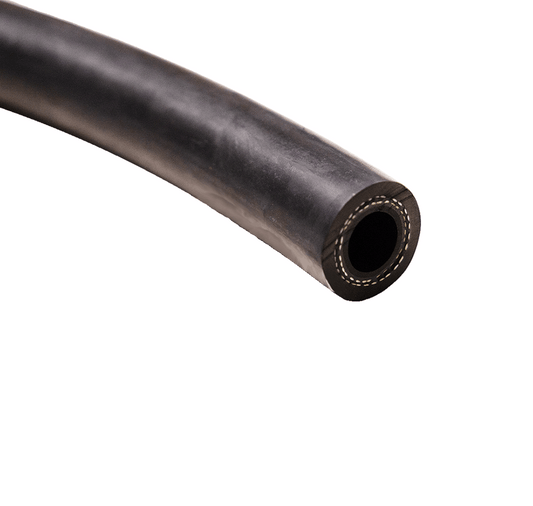
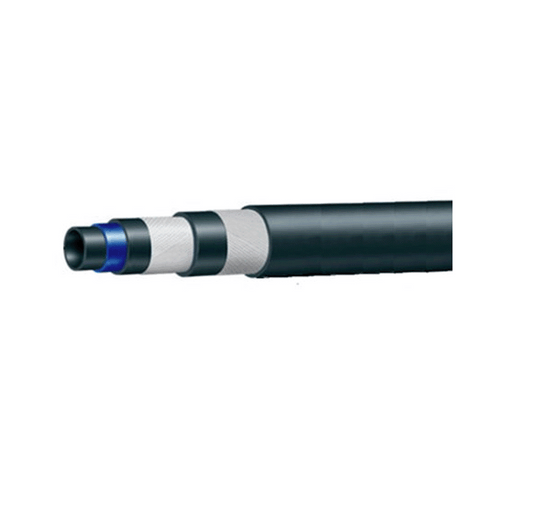
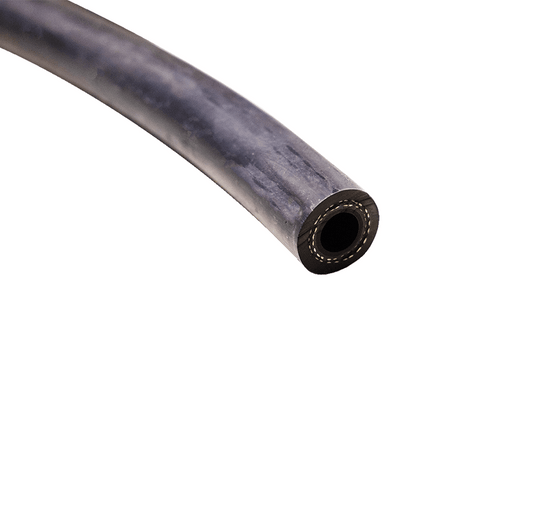
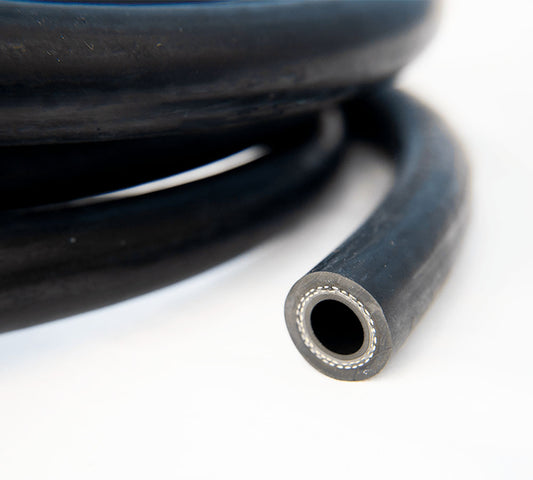
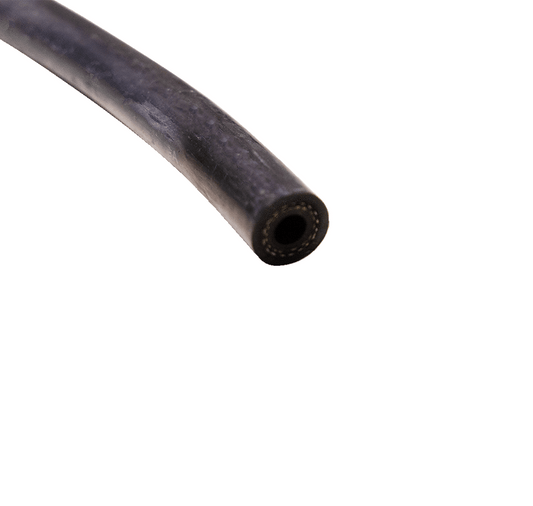
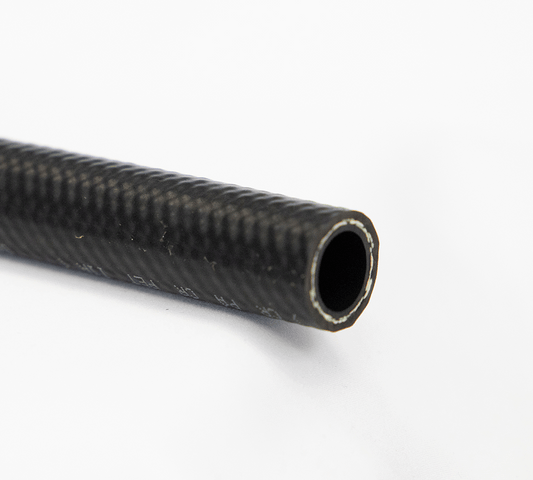
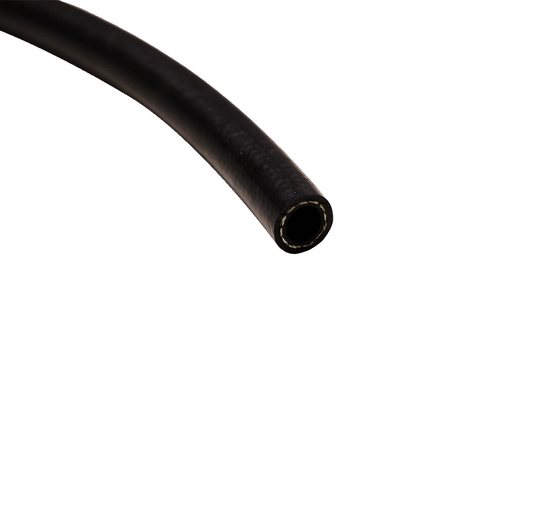
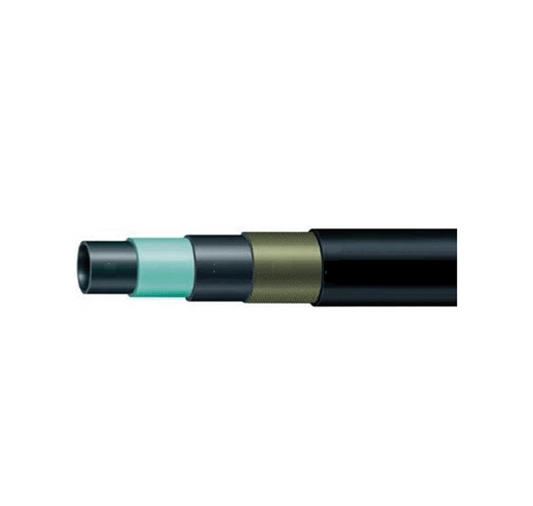
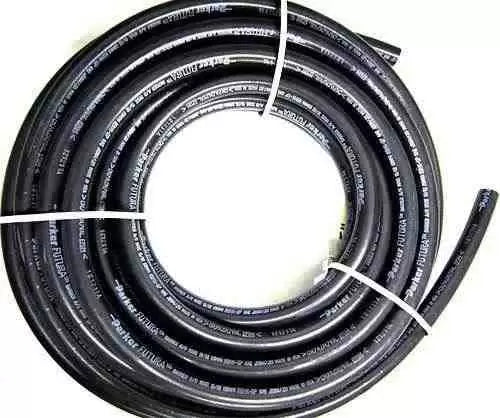
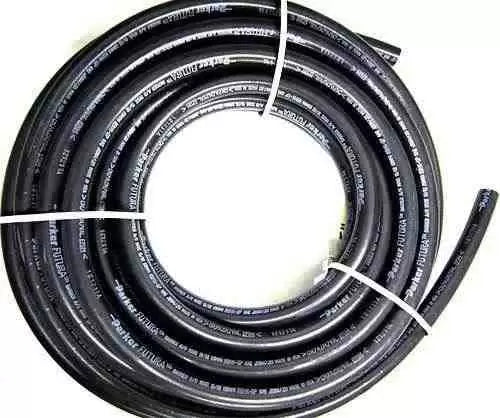
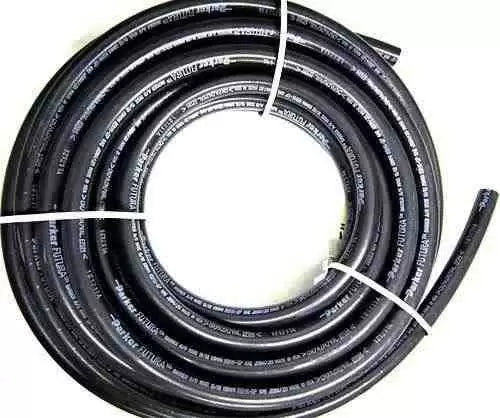
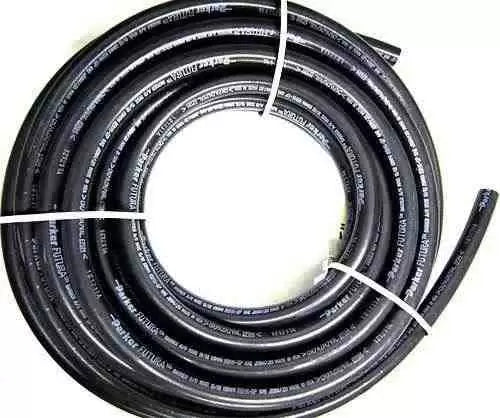
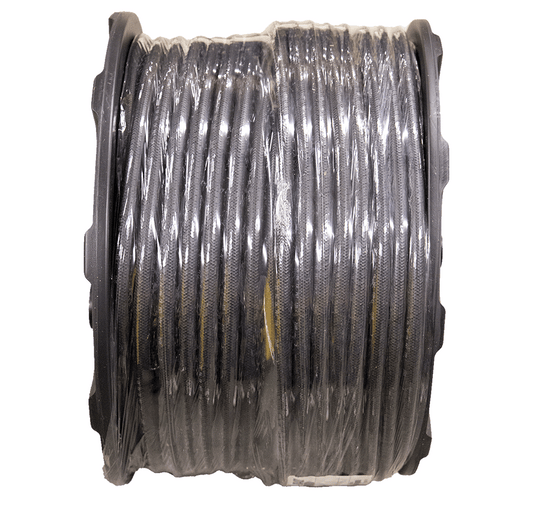

The AC Hose That Shops and DIYers Spec By the Foot
Standard Barrier vs. Reduced Barrier AC Hose: Which Do You Need?

This is the question we get most often, so here it is:
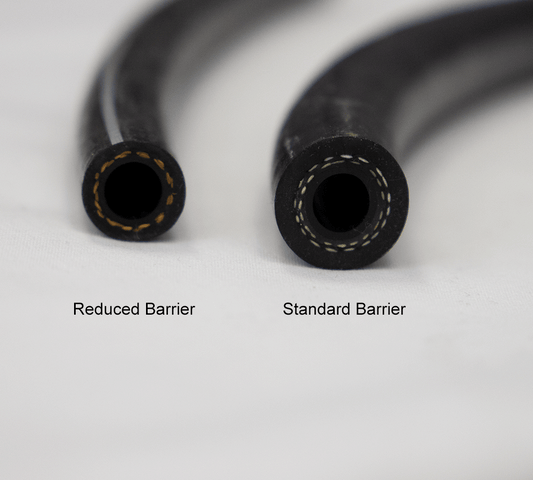
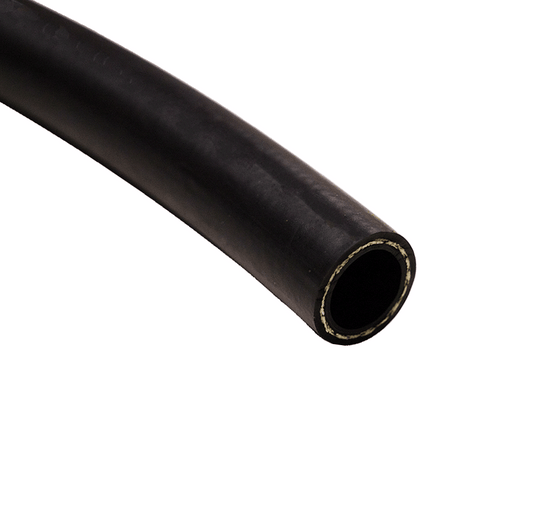
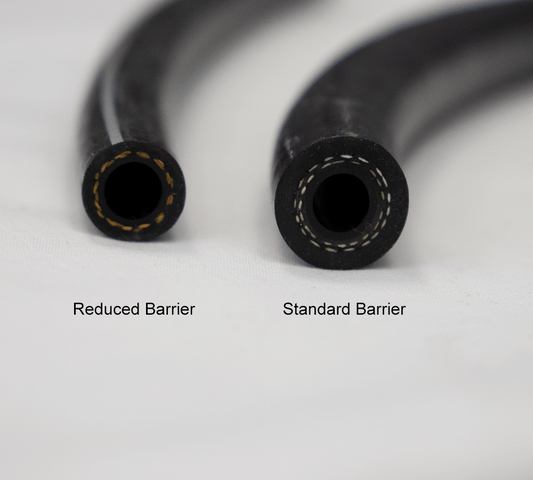
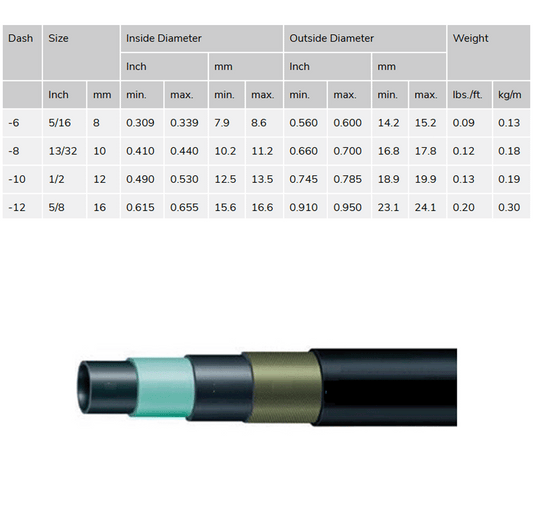
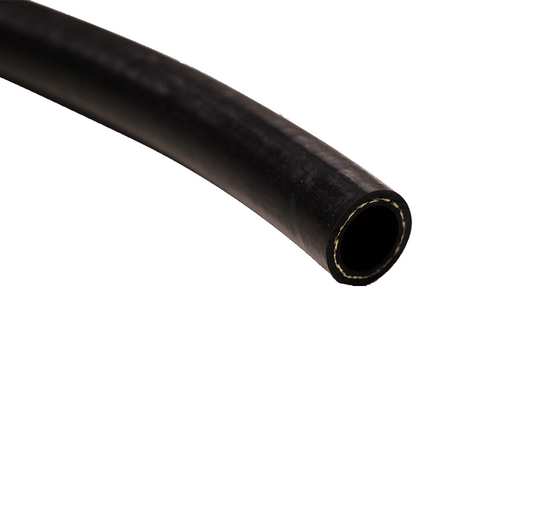
Standard Barrier AC Hose has a thicker wall construction with a full-thickness HNBR barrier layer. It's stiffer, which makes it easier to work with when routing through open engine bays, and it's the correct spec for a high-side (discharge/return) AC line where system pressures are highest. If you're not sure which type you need, start here.
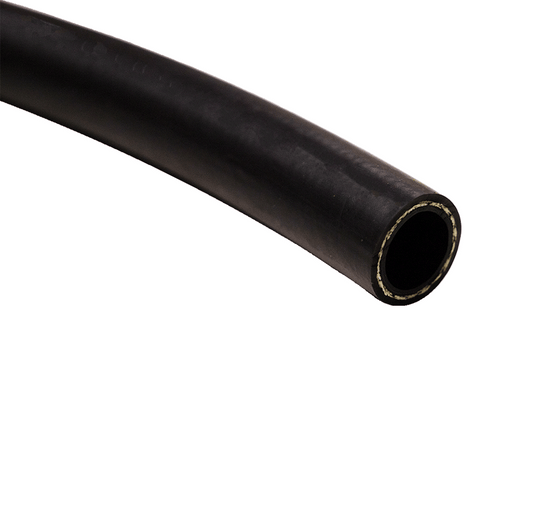
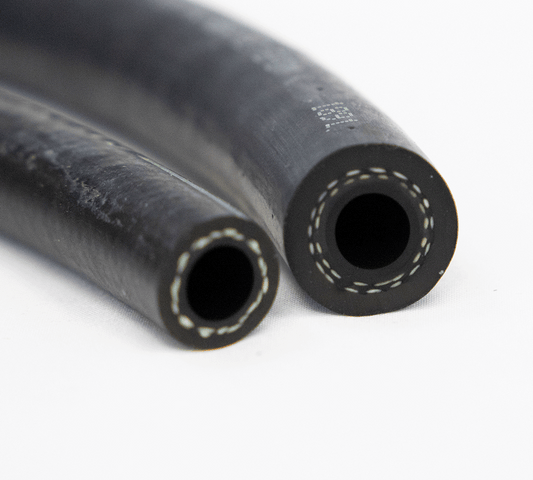
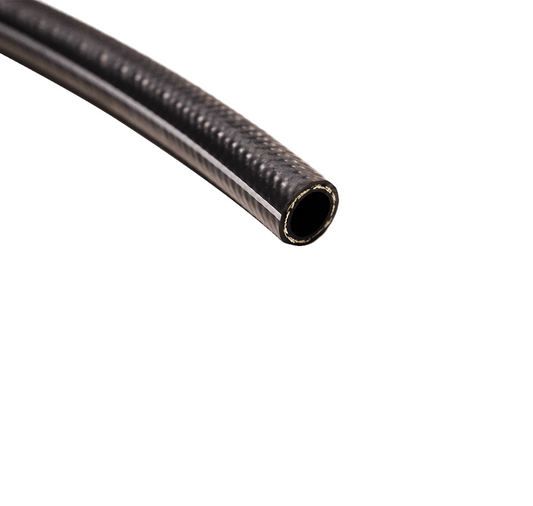
Reduced Barrier AC Hose has a thinner barrier layer, which makes the overall hose diameter smaller and significantly more flexible. This is the right choice when you're routing through tight chassis tunnels, around suspension components, or anywhere the stiffer standard AC hose won't bend cleanly without kinking. Same pressure rating — just a more compact profile. Did you need A/C hoses or are you looking for A/C line, what's the difference?
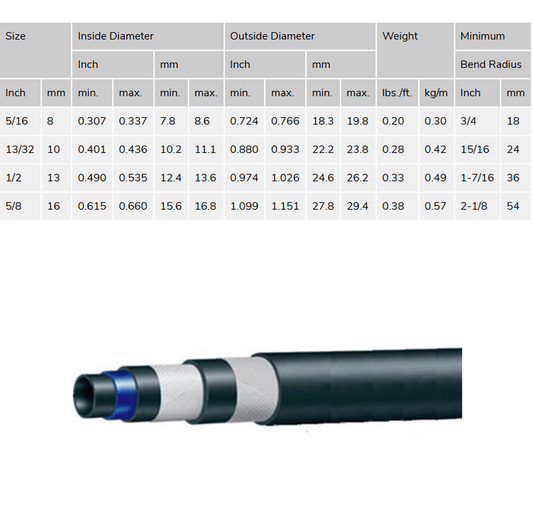
AC Hose Size Guide — Match Your Existing Line
A/C hose sizes follow the SAE # system based on the hoses inside diameter. Measure the outside diameter of your existing hose or fitting to confirm, then match it here:
| SAE Size | Inside Diameter | Typical Application |
|---|---|---|
| #6 | 5/16" | High-side liquid line (small cars, compressor outlet) |
| #8 | 13/32" | High-side liquid line (most trucks and SUVs) |
| #10 | 1/2" | Low-side suction line (most passenger vehicles) |
| #12 | 5/8" | Low-side suction line (trucks, vans, heavy duty) |
| #14 | 3/4" | Suction line (large displacement, commercial vehicles) |
What You'll Need In Addition to the AC Hose
Raw bulk AC hose requires fittings and a crimping method to complete a line. If you're repairing a damaged section rather than building from scratch, our EZ Flex AC Line Repair Kits include compression-style aluminum fittings that work without a crimping tool — cut out the bad section, slide the fittings on, tighten, and you're done. If you're building a full custom line, you'll need hose ends crimped by a shop with A/C hose crimping equipment, or barbed fittings designed for your application. Auto Cooling Solutions sells crimp shells. As of now we do not sell barb ends, or crimping equipment.
Frequently Asked Questions
What is the difference between standard and reduced barrier AC hose?
Standard barrier hose has a thicker wall with a full HNBR barrier layer — stiffer and easier to route in open spaces, correct for high-side discharge lines. Reduced barrier hose has a thinner barrier layer making it smaller in diameter and more flexible, ideal for tight chassis routing or anywhere standard hose would kink. Both carry the same pressure rating and both meet SAE J2064 standards.
Is this hose compatible with R1234yf refrigerant?
Yes. All our bulk AC hose meets SAE J2064 standards and is compatible with both R134a and R1234yf refrigerant systems. If your vehicle uses R1234yf (most 2015 and newer models), this hose is the correct specification.
Do I need special tools to work with bulk AC hose?
To cut raw hose you need a sharp blade or hose cutter — a clean straight cut matters for a good seal. To attach fittings, it depends on the fitting type: crimped hose ends require a hydraulic or pneumatic crimping machine (typically done at a shop). If you want a no-crimp repair option, our EZ Flex Repair Kits use compression aluminum fittings that tighten with a standard wrench — no crimper needed.
How do I know what size hose I need?
Measure the inside diameter of your existing AC hose or the outside diameter of the fitting it connects to. AC hose sizing follows the SAE # system: #6 = 5/16", #8 = 13/32", #10 = 1/2", #12 = 5/8", #14 = 3/4". When in doubt, the high-side (smaller, liquid line) is typically #6 or #8, and the low-side (larger, suction line) is typically #10 or #12 on most trucks and SUVs.
Can I use this hose for the rear AC system on my SUV or van?
Yes, however for rear AC hose replacement on specific domestic US vehicles we recommend our direct-fit Rear AC Line Sets — they're a complete rear AC line assembly with the correct fittings, o-rings, and hardware for your exact vehicle. Bulk AC hose is best when you need a custom length and you're building custom AC lines. If you're in the market for production AC lines at any sort of scale take a look at our Production AC Line Set Manufacturing.
Still have questions? View our full Technical FAQ page or call 1-810-606-8088, Mon–Fri 8AM–5PM EST.